
Planning a Digital Marketing Strategy: Where to Start
Planning a digital marketing strategy starts with your customer and your message. Here is the order that keeps owners from repeating a failed attempt.

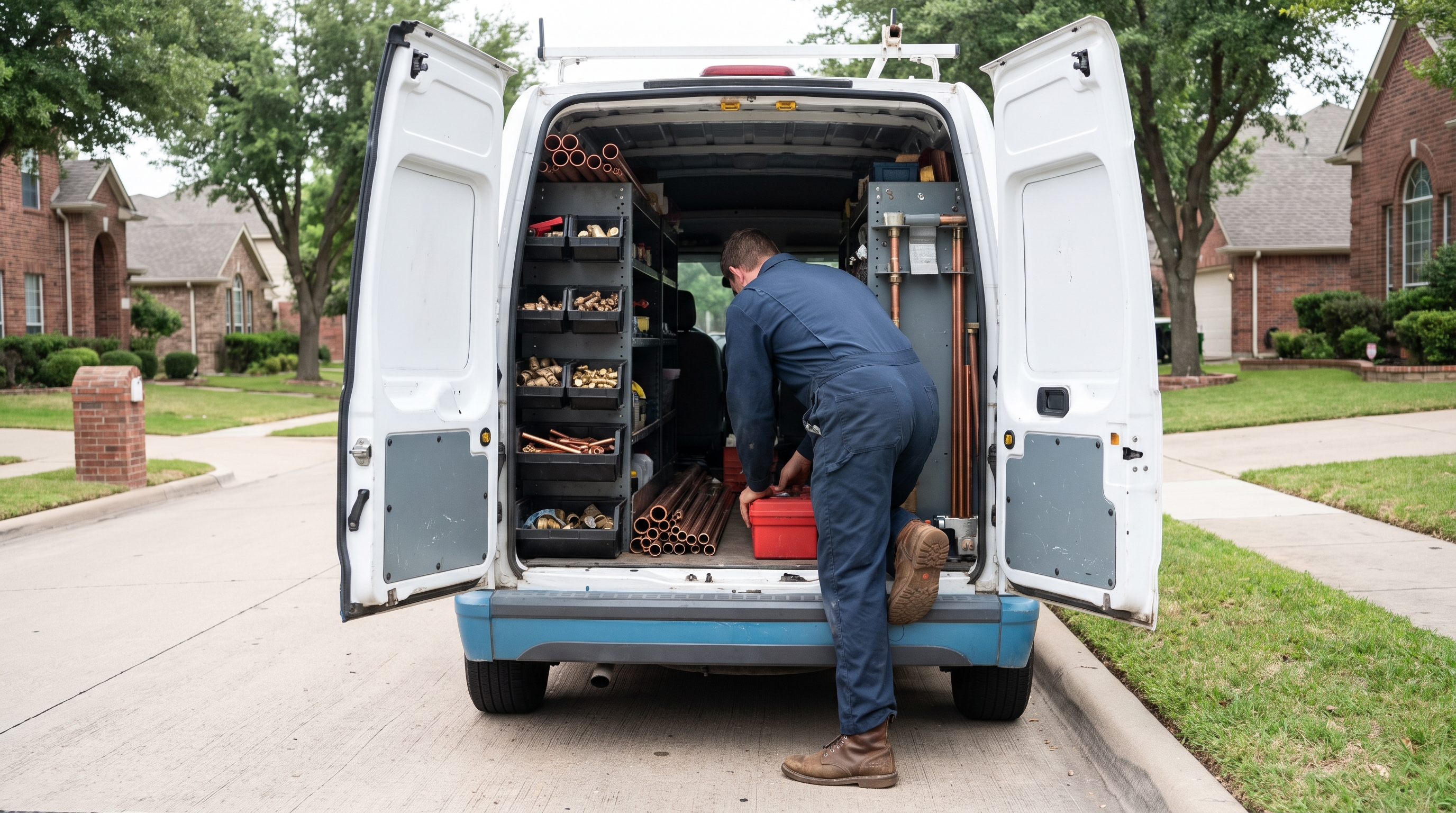
Most failed attempts bought a tool or a tactic before anyone settled who the customer is and what the message should be. That's our view, and it's the reason we start with the plan. (source: online.hbs.edu)
If you run a trade, a home service company, a local shop or a small B2B business, you probably handle marketing on top of everything else, and nobody senior is setting direction. You may also have tried it once already. Maybe you bought a tool, hired a freelancer or ran some ads, and nothing came back that you could point to. Big brands don't work that way. They settle the customer and the message before they buy media. Our founder, Sheila Rondeau, started MOGXP, the experiential agency whose brand work includes VitaminWater and Toyota, and MOGDX brings that same discipline to businesses that have never had access to it.
Why do so many digital marketing plans fail before they start?
Few marketers have a plan they can point to. According to HBS Online, citing a Smart Insights report, only 17 percent of marketers clearly define their digital marketing strategies. A strategy nobody has defined is hard to follow and impossible to measure.
Even marketers with full-time jobs find the measuring part hard. Loopex Digital's roundup of marketing statistics reports that only 61% of marketers believe their marketing strategy is effective, and that 40% say proving the ROI of their marketing activities is a top challenge. If they struggle, an owner who squeezes marketing into Friday afternoons has even less chance without a plan to measure against.
So the first fix is small. Before you pick a channel, write down what you're trying to do and for whom.
What should you decide first?
Decide who the customer is, then decide what you'll say to them. Everything else in the plan depends on those two answers, so they come before channels, budgets and software.
Start with the customer. Pick the one kind of buyer you most want more of, and describe the day they call you. Think about what just happened that made them look. If you can't name the trigger, you'll struggle to write a message that lands.
It also helps to start narrow. The UK government's business.gov.uk guidance says it's a good idea to start with a small target audience rather than trying to appeal to a broad group of people, otherwise it will be hard to pinpoint what's working. That advice was written for exporters, but it holds for a local plumber just as well. When you aim at one buyer, you can tell quickly whether the plan is working.
Then write the message. Use the words your customers use, not the words a marketer would invent. If a customer ever tells you "I just need someone who shows up," write that sentence down, because it will beat anything clever. Add one proof point you can back up, such as years in business, a real number of jobs or a named certification. If you don't have one yet, write that down as a gap rather than inventing it.
How do you pick channels and set a goal?
Pick the one or two channels where your chosen customer already looks, and set a goal with a number in it. In our view, choosing channels before the customer and message are settled is a quick way to waste a budget.
Business.gov.uk defines a digital traffic channel as anything online which your business owns and has control over. For most small businesses that means a website, a Google business profile and one social page. You don't need all of them working hard. You need the ones your customer actually uses.
The same guidance says you need clear business objectives, because your digital marketing should support your overall goals. For an owner, that means a goal tied to the business. "More leads" isn't one. A goal you can build against sounds more like "twelve booked estimates a month at a cost per estimate I can afford." Your number will be different, and it should come from your own margins and from how many jobs your crew can take on. Our digital strategy service walks through how we set these with owners.
| Step | The question to answer | What you should have written down |
|---|---|---|
| 1. Customer | Who do I most want more of, and what made them look? | One buyer, one trigger event |
| 2. Message | What do I say, in their words, and what proves it? | Two or three sentences and one proof point |
| 3. Goal | What number tells me it's working? | One target with a unit and a time frame |
| 4. Channels | Where does that buyer already look? | One or two channels, not six |
| 5. Follow-up | What happens in the first hour after someone reaches out? | A named person and a named process |
| 6. Tools | What do I need to run steps 1 to 5? | A short list, checked against what you already own |
Tools sit at the bottom, and most owners meet this list upside down because the tool vendors get to them first.
What happens to a plan if nobody follows up on leads?
The plan breaks at the hand-off. A channel can bring in a perfectly good inquiry, and if nobody answers it quickly, the money you spent to get it is gone.
That's why step 5 is in the table, and why we treat it as part of the strategy rather than an extra. A plan should say who responds, how fast, and what they say. Software can help once those answers exist, and our marketing systems and automation service covers that part.
Where do tools fit in the plan?
Tools come after the plan, and you probably own more of them than you're using. A tool can run a decision you've already made, but it can't make the decision for you.
The Funnel.io marketing data sources report says a Spring 2024 CMO Survey found that over 60% of companies now rely on more than 20 martech tools. The same report says companies use only about 56% of the martech they buy. If companies with whole teams buy software faster than they use it, one more subscription is unlikely to close the gap for you.
Before you buy anything, list what you already have, then check each item against the plan. If a tool doesn't serve a step in the table, you don't need it yet.
What should a first plan end with?
A first plan should end with something you believe in and a build order you can follow. It shouldn't end with everything switched on at once.
When we plan with an owner, the plan covers positioning, ideal customer, offer, channel selection, a message and proof map, KPIs and the budget behind them. We bring it to you and walk through it line by line. You push back, and we revise. A plan you don't believe in doesn't get followed.
Then comes order. The piece with the biggest payoff turns on first, and the rest wait their turn. You should know what happens in what order, who owns it, and what it should produce. You can run the same sequence yourself with the table above and a free weekend.
What planning mistakes should you avoid?
The costly one is buying the channel before deciding the message. Ads amplify whatever you already say, so a muddled message makes the ad budget more expensive. Fix the message first and the same budget does more.
Copying a competitor's playbook feels safe. You can't see their margins or their close rate, and you can't tell whether any of it is working. What you can see is the visible tactics, which are the parts that matter least.
Goals written as adjectives fail quietly. "Better visibility" and "more engagement" can't be missed, so they can't be managed either. Put a number and a date on the goal, review it weekly, and cut what isn't working.
Do you need a full-time CMO to plan this?
No, but you do need someone senior making the calls. Owners who are already stretched often get stuck because nobody with marketing experience is setting direction.
That's the gap fractional CMO leadership fills. You get senior planning, judgment and team direction without a full-time salary. If you think you can't afford a real agency, you don't have to start there. We start with the plan before we build anything, so you see what you're buying before you commit to the full system. Our Fractional CMO service is built for that, and our services overview shows how it connects to the rest of the work.
FAQ
What are the steps involved in building a successful digital marketing plan?
Start with your customer and your message. Then set a measurable goal, choose one or two channels, plan how you'll follow up on every inquiry, and pick tools last. Review the numbers weekly and cut whatever isn't working. Different guides count the steps differently, but the order matters more than the count.
What are the 7 steps of a marketing plan?
There's no single official list of seven. Guides split the same work differently, with HBS Online using four steps. Whatever the count, a workable plan covers the same ground: customer, message, goal, channels, budget, follow-up and review.
What is a marketing strategy?
A marketing strategy is your written answer to who you're trying to reach, what you'll say to them, and how you'll know it's working. Tactics like ads, emails and posts come from the strategy. They don't replace it.
How long does it take to plan a digital marketing strategy?
A first version can take a weekend if you already know your customer. A fuller plan, with research on your market and a build order, takes longer. Either one is a starting point, and you revise it as the numbers come in.
What to do today
Take one sheet of paper and write three lines. Who is your best customer, what do you say to them, and what number will tell you it's working in 90 days? If you can't fill in a line, you've found where to start. If you'd rather not do it alone, book a strategy call and we'll work through it with you. You run the business. We run the engine.
Keep reading

Digital Strategy Services: What You Should Get
Hiring for digital strategy services? Here is what the first six weeks should deliver, from customer research to positioning, so you can judge any provider.

Digital Product Strategy Best Practices for Owners
Best practices for digital product strategy, in the order we use them. Start with goals, customer and numbers, then choose tools that fit the plan you wrote.

Your marketing tools are not the problem. The missing strategy behind them is.
Most small business owners think they need better marketing tools. The real gap is a written strategy that ties tools, channels, and follow-up to a specific revenue outcome.